
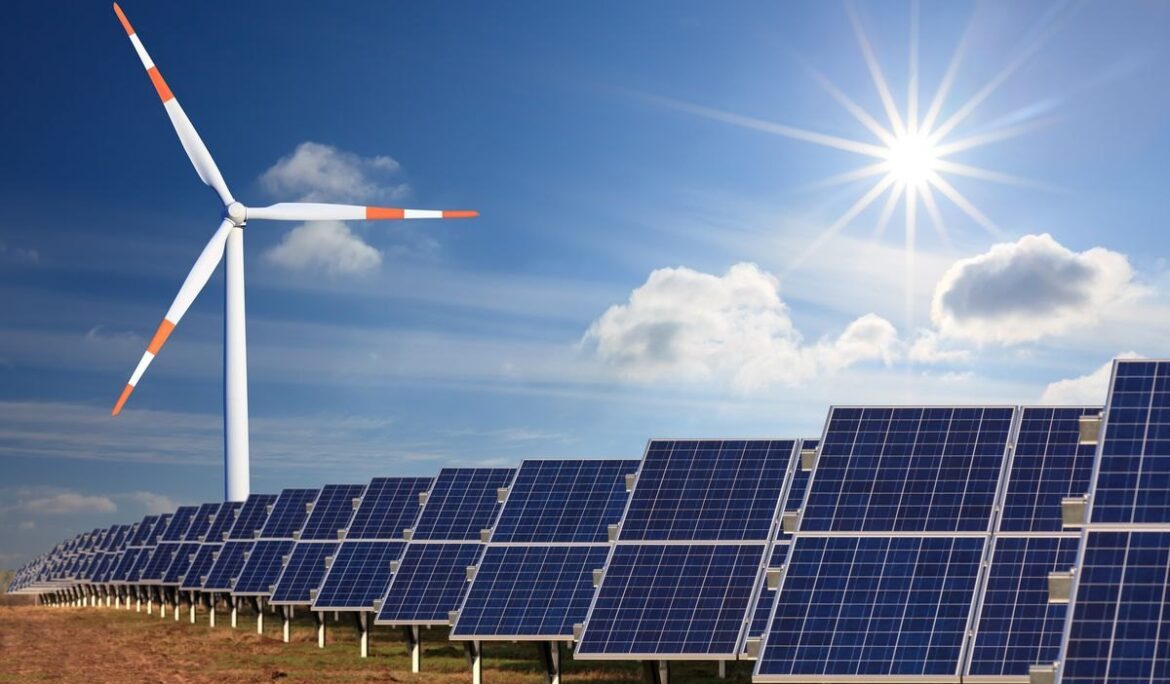
Captive solar energy projects are rapidly emerging as a strategic energy solution for industrial consumers across major manufacturing belts in India — including Punjab, Haryana, Maharashtra, Gujarat, and Tamil Nadu. Driven by rising grid tariffs, volatile energy costs, and stricter sustainability mandates, companies are increasingly investing in on-site and group captive solar plants to secure cheaper, predictable power while reducing reliance on conventional grid supply. Industrial players are leveraging both rooftop installations and dedicated off-site solar capacities to gain operational control and lower long-term energy expenses.
Economic & Policy Forces Driving Growth
The commercial and industrial (C&I) sector accounts for a significant share of India’s electricity consumption, making cost management and energy autonomy critical priorities. Captive solar plants often deliver electricity at a levelized cost 20 %–40 % lower than grid tariffs, especially in regions with high consumption and supportive renewable policies. State-level regulatory incentives, improved open access frameworks, and mechanisms like energy banking are helping industrial consumers adopt captive models at scale. Policy focus on Green Energy Open Access further expands the scope for captive solar to complement broader renewable deployment strategies.
Real-World Deployments Highlight Market Momentum
Recent large-scale industrial renewable projects underscore this trend. For example, Cleantech Solar’s 80 MWp captive solar commissioning at a Tamil Nadu solar park demonstrates growing corporate commitments to clean energy within key industrial ecosystems. Similarly, major captive installations like a 30 MWp plant at Jindal Stainless’ Odisha unit reveal how companies are integrating solar generation within operational campuses to cut emissions and energy costs. These deployments not only reduce grid dependency but also support ESG and net-zero goals, signaling a shift toward distributed renewable power in manufacturing and industrial sectors.


